
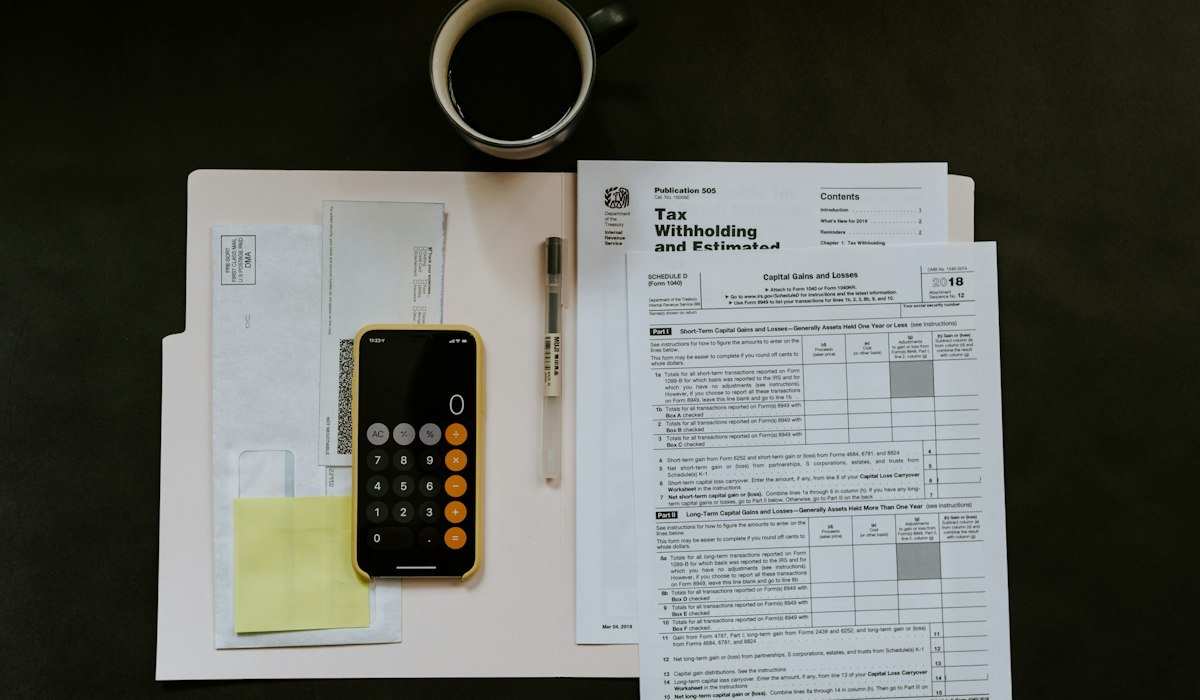
Most tax season stress comes from poor organisation, not complicated tax law. Here's the process broken down into steps that work whether you're an employee, a contractor, or running a small business.
Documents to Gather First
- Income statements/payment summaries from every employer
- Records for freelance, contract or platform-based income
- Investment transaction records — actual buy/sell logs, not just summaries
- Mortgage interest statements and donation receipts, if you're claiming deductions
- Last year's return, for spotting recurring items
- Business or rental income and expense records, kept separate from personal finances
The Step-by-Step Process
- Gather everything before you start. Missing documents are the single biggest cause of guessed numbers and later corrections.
- Confirm your filing status and entity structure — this affects what you can claim and how.
- Count all income, including cash work, interest, dividends and any crypto activity. Cross-check bank deposits against what you've recorded.
- Separate deductions from offsets/credits — deductions reduce taxable income, credits or offsets reduce the tax bill directly, and eligibility is specific to your situation.
- Check what you've already paid against what you actually owe — a large refund usually means you overpaid through the year.
- Double-check every detail — a wrong bank account number or ID detail is the most common cause of delayed refunds.
- File and keep your records — electronic filing is faster and reduces errors, and records should be kept in case of a later query or amendment.
Guidance by Situation
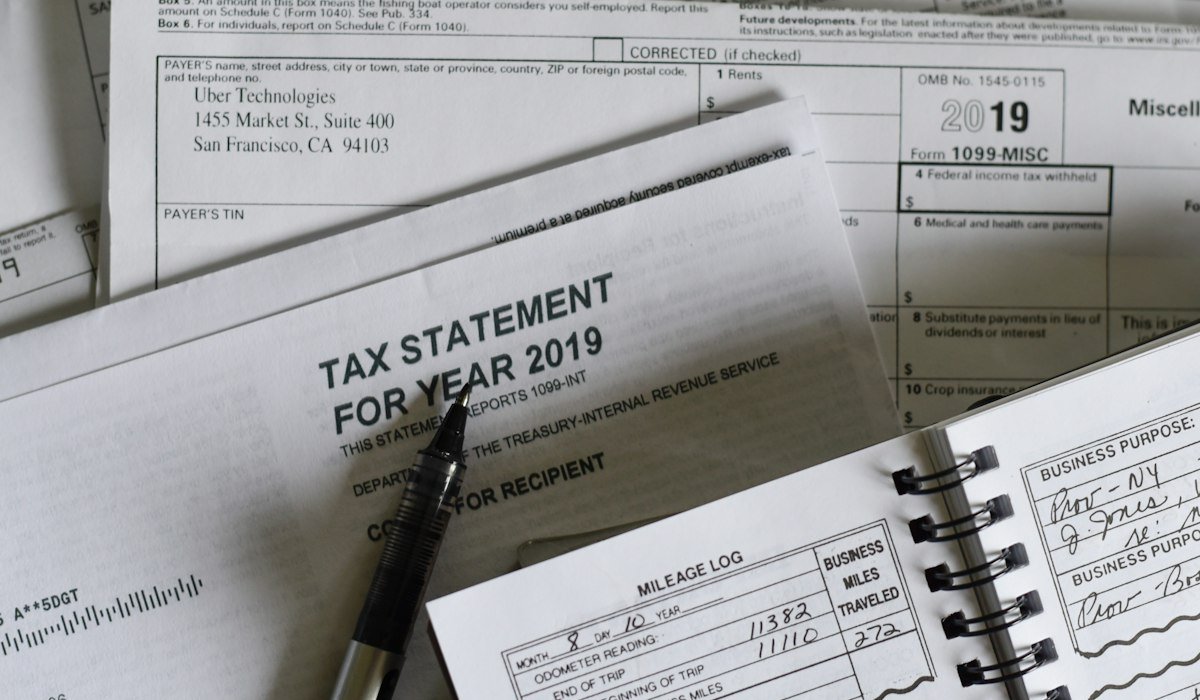
Employees with one income source usually have the simplest filing. Contractors and freelancers need to track expenses through the year and plan for provisional/estimated tax. Small business owners should keep business and personal accounts strictly separate. Landlords need to track maintenance, rates and depreciation carefully. Anyone with multiple income streams should list every source before starting.
When to Bring in a Professional
A single, straightforward income source is usually fine with basic software. Self-employment income, rental properties, investment portfolios, a major life change, or a confusing notice from the tax office are all good reasons to get a professional involved before you file, not after.
How get-accountant Can Help
Whether you need your books in order before filing or want an accountant to handle preparation end-to-end, our team supports individuals and small businesses across New Zealand and Australia through tax season — without the last-minute scramble.